

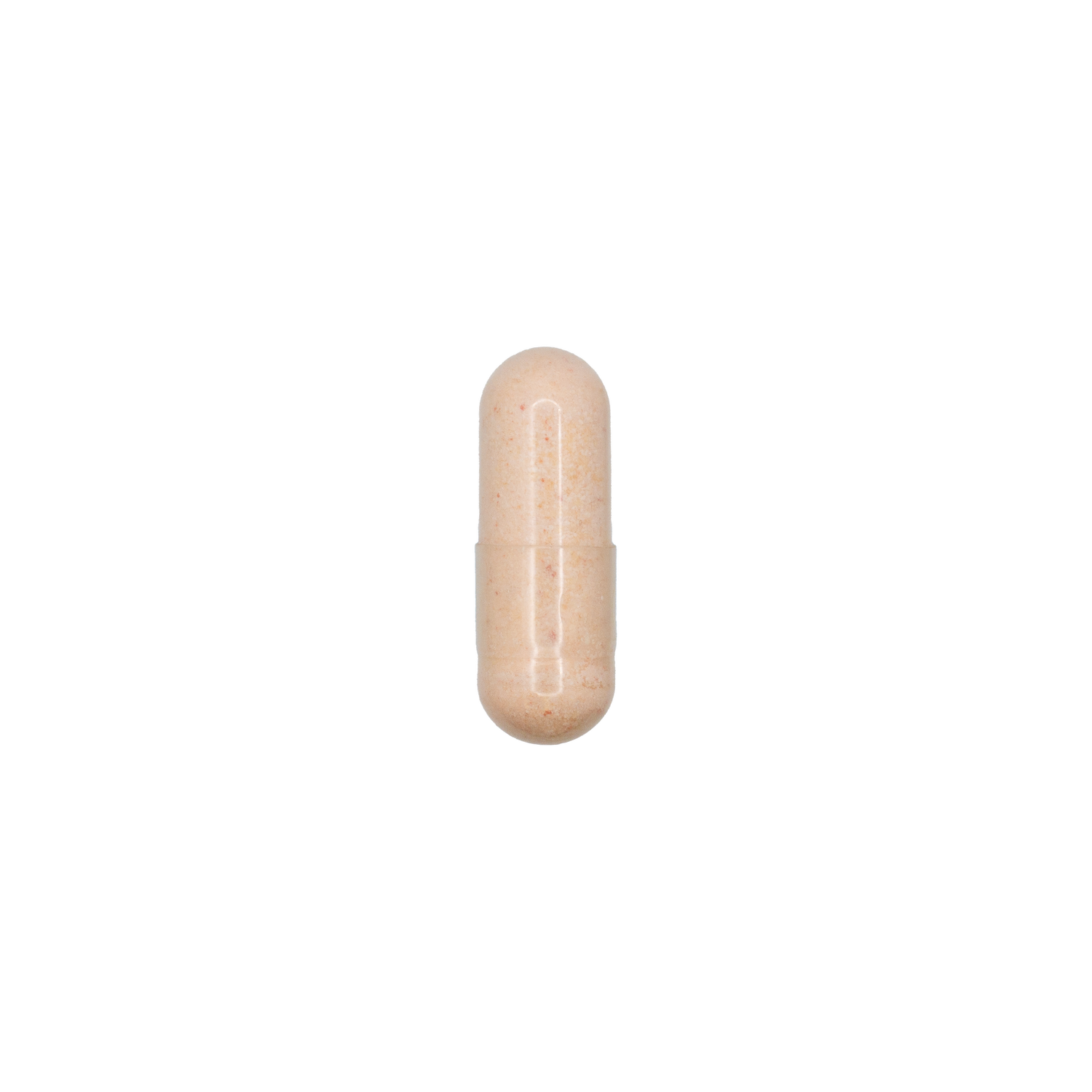
Probiotic 25 Billion CFU, 10 Strains
Microbiome Health
- Regular price
-
$36.00 USD - Regular price
-
- Sale price
-
$36.00 USD
Certifications
Allergen Information
Supplement Facts Panel
Probiotic 25 Billion CFU, 10 Strains
| Amount Per Serving | Daily Value | |
|---|---|---|
| Blend of 10 Strains of Probiotic Bacteria (25 Billion CFU): Lactobacillus acidophilus (La-14), Bifidobacterium lactis (Bl-04), Lactobacillus plantarum (Lp-115), Lactobacillus casei (Lc-11), Lactobacillus rhamnosus (Lr-32), Lactobacillus paracasei (Lpc-37), Bifidobacterium breve (Bb-03), Streptococcus thermophilus (St-21), Lactobacillus salivarius (Ls-33), Bifidobacterium longum (BI-05) | 160 mg | * |
Couldn't load pickup availability

FAQs
What is Probiotic 25 Billion CFU, and what are the 10 strains in it?
Probiotic 25 Billion CFU is a dietary supplement that delivers 25 billion live beneficial bacteria (measured in colony-forming units, or CFU) across 10 scientifically studied strains in a single vegetarian capsule. The 10 strains are Lactobacillus acidophilus (La-14), Bifidobacterium lactis (Bl-04), Lactobacillus plantarum (Lp-115), Lactobacillus casei (Lc-11), Lactobacillus rhamnosus (Lr-32), Lactobacillus paracasei (Lpc-37), Bifidobacterium breve (Bb-03), Streptococcus thermophilus (St-21), Lactobacillus salivarius (Ls-33), and Bifidobacterium longum (Bl-05). These belong to the Lactobacillus and Bifidobacterium genera, which are among the most extensively researched probiotic groups in human health, along with Streptococcus thermophilus, a lactic acid bacterium commonly used in fermented dairy. The capsule also contains FOS (fructooligosaccharides), a prebiotic fiber that serves as a food source for these beneficial bacteria, potentially supporting their activity in the gut.
What does taking a multi-strain probiotic like this actually do for my body?
These probiotic strains work through several overlapping mechanisms to support gut and overall health. When the bacteria reach your intestines, they help maintain a balanced microbial environment by producing beneficial metabolites like short-chain fatty acids (SCFAs), including butyrate, which nourish the cells lining your gut wall and help regulate inflammation throughout the body. The strains also compete with harmful microorganisms for space and resources, help reinforce the intestinal barrier to reduce unwanted substances from leaking into the bloodstream, and interact with immune cells in ways that help calibrate your body's inflammatory responses. Clinical research on multi-strain probiotic formulas containing these same species has found potential benefits across several areas, including digestive comfort (particularly in irritable bowel syndrome), metabolic markers such as blood sugar regulation, mood and stress outcomes via the gut-brain axis, and support during H. pylori eradication therapy. Because probiotic effects are both strain-specific and highly individual, the degree of benefit can vary from person to person.
How long does it take for this probiotic to work, and how should I take it?
Research consistently shows that meaningful, sustained benefits from probiotic supplementation typically require a minimum of 8 weeks of daily use — and some outcomes, such as mood support or behavioral improvements, have been observed more reliably with 3 months or more of consistent supplementation. Taking the capsule with a meal is generally recommended, as food temporarily raises stomach pH, which improves the survival of live bacteria during their journey through the acidic gastric environment. You should take one vegetarian capsule daily as directed, and consistency matters — skipping doses or stopping early is likely to reduce the effectiveness of the supplement. Probiotic colonization in the gut is characteristically transient, meaning the bacteria do not permanently take up residence, so ongoing daily use is generally needed to maintain their presence and associated benefits.
What is the evidence for taking this probiotic to support digestive health?
The clinical evidence for multi-strain probiotics containing these bacterial species in digestive health is among the strongest in the probiotic research field. A meta-analysis of 33 randomized controlled trials including over 4,300 patients found that probiotics significantly improved global IBS symptoms compared to placebo, with multi-strain formulations performing comparably or better than single-strain products. For ulcerative colitis, a large overview of systematic reviews found that probiotics were significantly more effective than placebo for inducing clinical remission, with multi-strain formulas appearing particularly effective. Additionally, multi-strain blends containing several of the strains in this formula — including L. acidophilus, L. rhamnosus, L. casei, L. plantarum, and B. longum — have been shown in meta-analyses to improve H. pylori eradication rates and meaningfully reduce antibiotic-associated diarrhea and other side effects when used alongside standard antibiotic therapy. It is worth noting that the exact 10-strain combination in this specific product has not been tested as a single unit in clinical trials; the evidence is drawn from research on the individual constituent strains and comparable multi-strain formulations.
Can this probiotic support mood, stress, or mental well-being?
An emerging and growing body of clinical research suggests that multi-strain probiotic supplementation may have meaningful effects on mood and psychological well-being through what is known as the gut-brain axis — the bidirectional communication network linking the gut microbiome to brain function via the vagus nerve, hormonal pathways, and neurotransmitter metabolism. A meta-analysis of 23 randomized controlled trials found that probiotics produced a significant large-magnitude reduction in depression symptoms (SMD: -0.96) and a moderate reduction in anxiety symptoms in clinical populations, with multi-strain interventions outperforming single-strain products. A separate clinical trial in patients with major depressive disorder found that probiotic supplementation was associated with increased Lactobacillus abundance in the gut, reduced depressive symptom scores, and measurable changes in brain activity linked to emotional processing. For healthy individuals experiencing everyday stress, a meta-analysis of 7 trials found that probiotics significantly reduced subjective stress levels, though no significant effect on cortisol was observed. These findings are promising, but it is important to understand that probiotic supplementation is not a treatment for any mental health condition, and effects may vary.
Does this probiotic have any interactions with medications, health conditions, or other supplements?
No clinically significant drug interactions with multi-strain probiotics have been identified in the published clinical literature reviewed. However, there are a few important practical considerations to be aware of. If you are taking antibiotics, concurrent use may reduce the viability of the probiotic bacteria, so it is commonly recommended to separate probiotic dosing from antibiotic doses by at least 2 hours. Interestingly, one landmark study found that taking standard multi-strain probiotics immediately after a course of antibiotics may actually delay the natural recovery of your gut's own microbial community compared to allowing recovery to happen on its own — so timing and context of use matters. Individuals who are severely immunocompromised, have short bowel syndrome, or have central venous catheters should consult a healthcare provider before taking live bacterial supplements, as rare cases of bacteremia have been reported in very high-risk clinical settings, though these events are not associated with otherwise healthy adults. The FOS (fructooligosaccharides) included in this formula as a prebiotic is generally well tolerated, though some individuals may experience minor gas or bloating at higher intakes. As with any supplement, it is always advisable to discuss use with your healthcare provider if you have an ongoing health condition or are taking prescription medications.
Is this probiotic safe, and are there any known side effects?
The safety profile of multi-strain probiotic formulations at the 25 billion CFU dose used in this product is consistently described as favorable across a wide range of clinical trials, with adverse event rates generally comparable to placebo. Across major trials reviewed — including a 6-month study in women with PCOS, a meta-analysis covering thousands of patients with inflammatory bowel disease, a 3-month ADHD trial, and a large Cochrane review — no significant safety concerns were identified and tolerability was reported as acceptable. The most commonly reported minor side effects with any probiotic include temporary digestive symptoms such as gas, bloating, or changes in bowel habits, particularly during the first few days of use as the gut microbiome adjusts. These effects are typically mild and self-limiting. The 25 billion CFU dose in this formulation aligns with doses used in the clinical research supporting its efficacy, and the product is delivered in a vegetarian capsule with well-tolerated excipients including microcrystalline cellulose and silicon dioxide.
Learn More
Guarantees
-
Practitioner Guided
We guarantee that every supplement pack you receive is an exact reflection of the personalized protocol designed by your trusted healthcare provider
-
Professional-Grade
We guarantee that every supplement in your daily pack is sourced from top-tier, professional-grade manufacturers
-
Convenience
We guarantee to simplify your daily health routine
-
Precision & Consistency
We guarantee the accuracy of every pack and the reliability of our service
*These statements have not been evaluated by the Food and Drug Administration. These products are not intended to diagnose, treat, cure, or prevent any disease.
†Claims based on traditional homeopathic practice, not accepted medical evidence. Not FDA evaluated.